Discovering Innovative Ideas at RWJF Pitch Day
In the fall, I emceed Pitch Day, an RWJF event to discover innovative ideas for solving health and health care challenges. Go inside Pitch Day by watching RWJF's video of the event.
In the fall, I emceed Pitch Day, an RWJF event to discover innovative ideas for solving health and health care challenges. Go inside Pitch Day by watching RWJF's video of the event.
Pitch Day was also featured on the Pioneering Ideas podcast, which you can hear below.
So long, raw milk cheese
One of the biggest battles between strong scientific evidence and those with a downright pigheaded refusal to accept the facts isn’t happening inside a medical clinic, but in the dairy fields of Northern California.
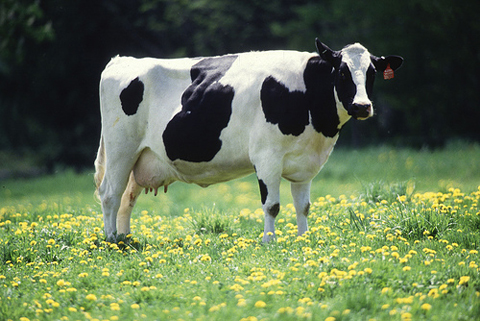
One of the biggest battles between strong scientific evidence and those with a downright pigheaded refusal to accept the facts isn’t happening inside a medical clinic, but in the dairy fields of Northern California.
Nothing screams “Foodie” like being a self-proclaimed artisanal cheese connoisseur. Don’t believe me? Check out the lines of people stacked three deep at your local Whole Foods cheese counter on a Saturday morning, all waiting to get their fill of a distinctly bold raw milk cheddar. Trust me, I know what I’m talking about; I’m the one more than likely pushing my way to the front of the line.
Considering the numerous store recalls on tainted cheeses, study after scientific study showing that pasteurization is the most effective way to keep dairy products safe, and, um, I don’t know, the fact that I’m trained as a scientist, some of you will say that I should know better. And you’re right.
I know where the evidence points. I just don’t heed the advice. Well, I didn’t, until now. So, I’m swearing off raw cheese until I conduct a full investigation of what the risks include. (Happy now?) And instead of writing a monster post, I’m thinking I’ll make this into a series. That way, I can incorporate the feedback I get from readers along the way. Plus there are too many avenues to explore and I don’t feel like organizing the structure of a long post. (Yes, I’ve also developed a newfound zeal for brutal honesty, effective immediately.)
I think I know how this one is going to end , but it will still be fun to see what I learn. And who knows, maybe someone else has the same questions.
Photo via Flickr / Royalty-free image collection
Brian Mossop is currently the Community Editor at Wired, where he works across the brand, both magazine and website, to build and maintain strong social communities. Brian received a BS in Electrical Engineering from Lafayette College, and a PhD in Biomedical Engineering from Duke University in 2006. His postdoctoral work was in neuroscience at UCSF and Genentech.
Brian has written about science for Wired, Scientific American, Slate, Scientific American MIND, and elsewhere. He primarily cover topics on neuroscience, development, behavior change, and health.
Contact Brian at brian.mossop@gmail.com, on Twitter (@bmossop), or visit his personal website.
Monitoring patients' health remotely
Over at Wired Playbook, I wrote a piece about a group of researchers using ECG sensors, GPS, accelerometers, and a mobile phone to accurately monitor a patient with heart trouble, in real-time, during their prescribed exercise routine.
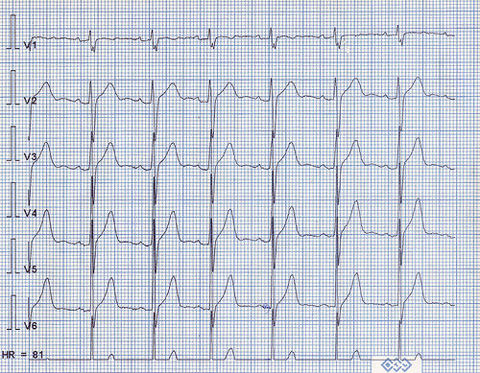
Over at Wired Playbook, I wrote a piece about a group of researchers using ECG sensors, GPS, accelerometers, and a mobile phone to accurately monitor a patient with heart trouble, in real-time, during their prescribed exercise routine.
...[E]ven in this small pilot study, the device proved some worth: On two separate occasions, the researchers noted distinct abnormalities in a patient’s ECG and consulted with a cardiologist. While the cardiac events turned out to be benign, the fact that such subtleties could be picked up with remote monitoring holds much promise for the tech. Had a more serious medical emergency transpired, the researchers could have summoned an ambulance to the scene using the transmitted GPS data.
Though this was a small pilot study, the proof-of-concept research was a cool step forward for remote monitoring of health.
Read the entire article here.
Photo via Flickr / rwk

Worringham, C., Rojek, A., & Stewart, I. (2011). Development and Feasibility of a Smartphone, ECG and GPS Based System for Remotely Monitoring Exercise in Cardiac Rehabilitation PLoS ONE, 6 (2) DOI: 10.1371/journal.pone.0014669
Brian Mossop is currently the Community Editor at Wired, where he works across the brand, both magazine and website, to build and maintain strong social communities. Brian received a BS in Electrical Engineering from Lafayette College, and a PhD in Biomedical Engineering from Duke University in 2006. His postdoctoral work was in neuroscience at UCSF and Genentech.
Brian has written about science for Wired, Scientific American, Slate, Scientific American MIND, and elsewhere. He primarily cover topics on neuroscience, development, behavior change, and health.
Contact Brian at brian.mossop@gmail.com, on Twitter (@bmossop), or visit his personal website.
The continuing plight of the Sioux
Sad statistics, laid out in a provoking article from The Atlantic.
Despite sitting on a trust fund that's worth over $1 billion in equity from a "purchase" of the Black Hills that the tribe never agreed to, the Sioux are suffering from chronic disease and have what's sure to be one of the lowest ethnic life expectancies in the United States:

Sad statistics, laid out in a provoking article from The Atlantic.
Despite sitting on a trust fund that's worth over $1 billion in equity from a "purchase" of the Black Hills that the tribe never agreed to, the Sioux are suffering from chronic disease and have what's sure to be one of the lowest ethnic life expectancies in the United States:
According to Oglala President John Yellow Bird Steele, almost half of Oglala Sioux over 40 have diabetes, and in the Western Hemisphere, few countries have shorter life expectancies (for men it is 48; for women, 52).
Photo via Flickr / cm195902
Brian Mossop is currently the Community Editor at Wired, where he works across the brand, both magazine and website, to build and maintain strong social communities. Brian received a BS in Electrical Engineering from Lafayette College, and a PhD in Biomedical Engineering from Duke University in 2006. His postdoctoral work was in neuroscience at UCSF and Genentech.
Brian has written about science for Wired, Scientific American, Slate, Scientific American MIND, and elsewhere. He primarily cover topics on neuroscience, development, behavior change, and health.
Contact Brian at brian.mossop@gmail.com, on Twitter (@bmossop), or visit his personal website.
Tummy Time
My first short feature for Slate ran last week, covering the importance of tummy time for infants.
The Back To Sleep Campaign was instituted by the American Academy of Pediatrics in 1992 to battle the number of infants dying each year from SIDS. And it was hugely successful, cutting SIDS cases in the US in half since it started.

My first short feature for Slate ran last week, covering the importance of tummy time for infants.
The Back To Sleep Campaign was instituted by the American Academy of Pediatrics in 1992 to battle the number of infants dying each year from SIDS. And it was hugely successful, cutting SIDS cases in the US in half since it started.
Infants are no longer spending time on their stomachs at night, and many are not getting enough belly playtime (called "tummy time") either. New research has correlated tummy time deficits to lags in pre-walking motor skill development, which in turn has been linked in large birth cohort studies to physical and cognitive ability later in life.
Four years after the Back to Sleep campaign launched, its inadvertent effects started trickling into the clinic. Most notably, some infants had disfiguring flat spots on the back soft crowns of their heads. It took a few years for researchers and doctors to realize that the change in sleeping position also affected prewalking motor skills (whether or not a baby had a misshaped head). Then in 2004, a research team led by Bradley Thach at the Washington University School of Medicine studied the difference in head movements between stomach and back sleepers. Thach showed that babies who spent nights on their bellies quickly developed the brain connections and muscle strength to turn their heads from side to side—one of the first motor-skill hurdles. Babies who consistently slept on their backs, on the other hand, were less likely to have sufficient head mobility at 3 to 5 months.
Whether we are talking about tummy time, breastfeeding, or watching Baby Einstein videos, it's important to understand that child development doesn't hinge on one thing. Rather, a multitude of genetic and environmental differences factor in to make us who we are. But I think it's important to get as much information to the public as possible about potential new links researchers uncover.
Photo via Flickr / samgranleese
PepsiCo at ScienceBlogs
ScienceBlogs.com -- one of the most well-known and highly-cited blog sites -- caused quite the hullabaloo on Twitter and the blogosphere today when they announced their newest contributor: PepsiCo. For quite some time, SEED Media (the parent company behind ScienceBlogs.com) has sold advertising space on contributors' sites. But as PalMD describes in his post, the center panel of each site is always under the direct control of the author. With the launch of the PepsiCo blog, SEED Media is in grave danger of blurring the line between advertising and content.
ScienceBlogs.com -- one of the most well-known and highly-cited blog sites -- caused quite the hullabaloo on Twitter and the blogosphere today when they announced their newest contributor: PepsiCo. For quite some time, SEED Media (the parent company behind ScienceBlogs.com) has sold advertising space on contributors' sites. But as PalMD describes in his post, the center panel of each site is always under the direct control of the author. With the launch of the PepsiCo blog, SEED Media is in grave danger of blurring the line between advertising and content.
I don't think there is anything inherently wrong with selling ad space on the periphery of popular blog platforms. Everyone has to pay the bills, and SEED Media needs a revenue stream to distribute and market its content. But I'm not exactly sure how PepsiCo will use its newly launched blog, now that it has control of that valuable "center panel". Only time will tell whether the PepsiCo blog will become a PR platform for the food conglomerate, or whether they'll actually contribute to scientific discourse.
Whether we like it or not, the prepared food industry will be a major player in our food supply in the near future. We need to find novel ways to engage these companies to improve health and nutrition in society. Hopefully, PepsiCo takes this opportunity to contribute in the exchange of scientific information, and doesn't just focus on improving sales.
I'll be watching this site very closely over the next few months, and I'll report on what I find.
How Much Personal Data is Needed to Stay Healthy?
A few months ago, a story ran in Wired Magazine that described a noticeable shift in the scientific method, and attributed the change to our ability to produce and store large amounts of data.Historically, the scientific method was built around a testable theory. But in the 21st century, theories were becoming obsolete; the data simply spoke for itself.
A few months ago, a story ran in Wired Magazine that described a noticeable shift in the scientific method, and attributed the change to our ability to produce and store large amounts of data.Historically, the scientific method was built around a testable theory. But in the 21st century, theories were becoming obsolete; the data simply spoke for itself.
Data from our bodies is no exception -- physiologic data can now be accessed as a real-time data stream thanks to personal health monitors. But does the vast amount of data we get from our bodies make us any healthier? Do we need to collect data 24-hours a day in order to learn something interesting about our health? Is it even feasible to wear these sensors all day, every day?
I am embarking on a new self-tracking experiment to answer these questions (and possibly a few others). For 30 days, I will be using devices such as the Zeo personal sleep coach, the Philips DirectLife activity monitor, the Mio Motiva wristband on-demand heart rate monitor, and the Nike+ sportband. The goal of this study is not to pit one device against another; rather, I want to focus on what the data tells me, and how I can best use it to stay healthy.
I'll get a blog post up here at least once a week, all the while working on a longer story about the journey that will be released at the end of the month.
Stay tuned. It should be a fun ride...
Will Keas Live Up To Its Potential?
"The human body does enormously well healing itself," Keas founder, and ex-Google Health lead, Adam Bosworth told Health 2.0 conference-goers shortly after stepping on stage. On the heels of an article in the New York Times that touted the company's beta launch, Bosworth walked the crowd through the way we'll keep ourselves healthy in the future, using Keas' platform.
"The human body does enormously well healing itself," Keas founder, and ex-Google Health lead, Adam Bosworth told Health 2.0 conference-goers shortly after stepping on stage. On the heels of an article in the New York Times that touted the company's beta launch, Bosworth walked the crowd through the way we'll keep ourselves healthy in the future, using Keas' platform.
Over the past few years, Bosworth carefully watched as the Health 2.0 revolution unfolded. Medical issues became less of a private experience. People, who at one time only discussed personal ailments with their family physician, now turned to family and trusted friends for medical advice. With the boom of the Internet, a person's trusted medical community suddenly became infinite.
Of all people, Bosworth understood the potential power of the internet on health, where the collective wisdom of the patient population could reach thousands, or millions, of other people. So he wondered, if people were readily turning to the web for information when they got sick, could customized, preemptive web advice keep people from getting sick in the first place?
Keas' system uses custom "Care Plans" that collect personal data that the user either uploads at the website, or is transferred directly from a lab, like Quest Diagnotics. Keas plans to run its own iPhone-like App Store, where doctors or other health care providers create their own Care Plans, integrate them into the Keas platform, and instantly distribute them to millions of people.
By personalizing the measures we can take to stave off certain predisposed conditions, Keas' Care Plans should improve our health. But the real promise of the company, wasn't in what Bosworth delivered onstage, but rather, in something he simply mentioned in passing. Bosworth alluded to the idea that not only will Keas' platform let people track their own health, but it could also allow people to keep tabs on their family's health as well.
Imagine logging into your Keas profile, and being presented with a dashboard that shows the current health information for your spouse, child, and elderly parent. Did your husband get his blood work test today? How much has your child exercised? Has your 80-year-old father read the online information packet on "Preventing Falls in the Home"? At a glance, you'd have this information in front of you on the Keas website, if the company follows through with this idea.
When people become chronically ill, or simply start living into their eighties and nineties, maintaining health shifts from an individual to a team sport. There's too much information for one person to process and comprehend. Too many medications. Too many things to keep straight. Current estimates put 30 million people in the US as primary caregivers -- adults, aged 18 or over, who maintain the personal well-being of another adult. Keas' program has the potential to make the term "long-distance caregiver' obsolete. Everyone would be just a click away from checking-in with their loved ones.
To Get Rid of the Diseases Mosquitoes Carry, Feed the Bugs Bacteria
I saw this study in Science at the beginning of the month, and a summary was posted at The Scientist:
A bacterium that infects insects may provide a biological method for stunting the spread of a range of devastating human diseases. The bacteria may protect their hosts against disease-causing pathogens by hiking up the insects' immune response, according to a study published online today (October 1) in Science.

I saw this study in Science at the beginning of the month, and a summary was posted at The Scientist:
A bacterium that infects insects may provide a biological method for stunting the spread of a range of devastating human diseases. The bacteria may protect their hosts against disease-causing pathogens by hiking up the insects' immune response, according to a study published online today (October 1) in Science.
Basically, mosquitoes were fed a certain bacteria, called "popcorn" Wolbachia, that did two things, 1.) boosted the immune system of the mosquitoes, which made them less likely carriers of diseases such as filarial nematodes (cause lymphatic filariasis), and 2.) cut the average lifespan of the mosquitoes in half.
Researchers are looking at the future possibilities of this promising treatment -- a natural way to curb the dangerous infectious diseases spread by mosquitoes. Questions remain whether the "popcorn" bacteria could also interfere with the mosquitoes' ability to carry more dangerous diseases, such as malaria or the Dengue virus.
Viva la Vitamin?
I think many of us assume that if experts say that Vitamin C can boost the immune system, then grabbing a 500mg bottle at your local health nutrition store must be a good idea. I know I've been guilty of this mindset. But it turns out that if you exercise, taking antioxidant vitamins might not be in your best interest. There was a good summary by Derek Lowe at 'In The Pipeline' about a new PNAS paper that argues against popping vitamins while engaged in an exercise routine. The study found that the experimental group that took a combination of Vitamin C and Vitamin E actually lost some of the inherent benefits of exercise, such as changes in insulin sensitivity and formation of natural antioxidants. My only criticism of the study is that Vitamin C is capable of regenerating Vitamin E, so I wonder whether this phenomenon will carry through for all supplemental antioxidants, or if it's limited to the particular vitamins used in this study.

I think many of us assume that if experts say that Vitamin C can boost the immune system, then grabbing a 500mg bottle at your local health nutrition store must be a good idea. I know I've been guilty of this mindset. But it turns out that if you exercise, taking antioxidant vitamins might not be in your best interest. There was a good summary by Derek Lowe at 'In The Pipeline' about a new PNAS paper that argues against popping vitamins while engaged in an exercise routine. The study found that the experimental group that took a combination of Vitamin C and Vitamin E actually lost some of the inherent benefits of exercise, such as changes in insulin sensitivity and formation of natural antioxidants. My only criticism of the study is that Vitamin C is capable of regenerating Vitamin E, so I wonder whether this phenomenon will carry through for all supplemental antioxidants, or if it's limited to the particular vitamins used in this study.
I see a recurring theme in the articles that pique my interest these days, and I can't help but wonder, yet again, if this is another example of the differences of nutrients that exist in nature, and those made in a lab? Should we be getting our vitamins from foods instead of supplemental pills?